What is PCOS?
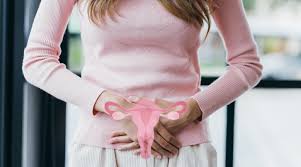
PCOS, or polycystic ovary syndrome, refers to a hormonal imbalance that occurs when one’s ovaries produce unusually high levels of the hormone androgen. This affects your reproductive hormones, and as a result of such an imbalance, people with PCOS often experience irregular menstrual cycles and unpredictable ovulation.
Additionally, some women may also develop small follicle cysts in their ovaries as a result of anovulation. These are small, fluid-filled sacs containing immature eggs, and they are neither dangerous nor painful. However, someone can still have PCOS without the presence of these cysts.
Further, PCOS is one of the leading causes of infertility in women. PCOS can begin as early as during someone’s adolescence, but may not be detected or diagnosed until she has difficulty getting pregnant.
Who is affected by PCOS?
Approximately 10-13% of women of reproductive age are affected by PCOS worldwide. However, it is also estimated that up to 70% of women who have PCOS globally are unaware that they have this condition.
What are the symptoms of PCOS?
The most common signs of PCOS include the following:
- Irregular periods: This can include not having a period at all, as well as heavy or painful bleeding during one’s period.
- Abnormal hair growth: Approximately 70% of women with PCOS experience abnormal hair growth, typically on the face, chest, and abdomen.
- Acne: PCOS can cause acne that continues past your teen years. This acne is often difficult to treat and can be found on the face, back, and chest.
- Obesity: Roughly 40-60% of women with PCOS suffer from obesity or difficulty maintaining a healthy weight.
- Cysts: Many women with PCOS have cysts in their ovaries or ovaries that appear larger in general.
- Skin tags: These are little flaps of skin that can be found in the armpits or on the neck.
- Infertility: The most common cause of female infertility is PCOS.
What causes PCOS?
There is no singular cause of PCOS; however, genetics most likely play a role. Additionally, some contributing factors can increase one’s likelihood of experiencing symptoms of PCOS.
First, high levels of androgen can prevent one’s ovaries from releasing eggs, leading to symptoms of PCOS like irregular menstrual cycles as well as the development of fluid-filled sacs in the ovaries. High levels of this hormone can also cause acne and excess hair growth—two symptoms of PCOS.
Additionally, insulin resistance can also lead to higher levels of androgen in the body. Higher insulin levels can trigger the ovaries to make and release androgen, and thus lead to the symptoms of PCOS. Signs of insulin resistance include dark, patchy areas of skin on the neck, armpits, or below the breasts, as well as weight gain or a larger appetite.
How is PCOS diagnosed?
To be officially diagnosed with PCOS, someone must meet two of the three following criteria, once other possible causes for these symptoms have been ruled out.
- Symptoms of high levels of androgen. This may include acne, oily skin, excess hair, or loss of hair from the head.
- Irregular or absent periods.
- Cysts on the ovaries are seen through some sort of diagnostic test, such as an ultrasound.
Feel free to type any comments, questions, or content ideas into the feedback box!
Don’t forget to subscribe below and follow us on Instagram @fertilityfocus5
 Fertility Focus