
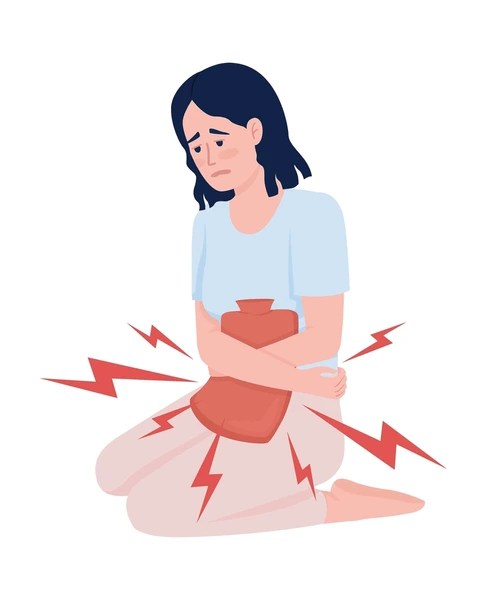
What is Premenstrual Dysphoric Disorder?
Premenstrual dysphoric disorder, or PMDD, is a more severe form of premenstrual syndrome. People with PMDD experience PMS symptoms every menstrual cycle, up to a week or even two weeks prior to getting their period.
On top of having typical PMS symptoms such as bloating and breast tenderness, people with PMDD may also suffer from extreme irritability, depression, and anxiety, even to the point where such symptoms become so severe that they interfere with daily life. However, symptoms typically subside within a day or two of the onset of one’s period.
Who gets PMDD?
Approximately 10% of individuals who have a period are affected by PMDD. Additionally, around 5% of women of childbearing age experience PMDD. Individuals who are prone to depression and anxiety are also at a higher risk of suffering from symptoms of PMDD. A family history of PMS or PMDD also increases the likelihood of someone experiencing symptoms of PMDD.
What are the symptoms of PMDD?
Common symptoms include:
- Lasting anger or irritability that may also affect other people
- Symptoms of depression including feelings of sadness, lack of interest in daily activities, or suicidal ideation.
- Heightened anxiety and tensions, as well as more frequent panic attacks
- Mood swings
- Fatigue
- Intense food cravings or changes in appetite
- Insomnia
- Physical symptoms such as bloating, breast tenderness, and headaches
- Difficulty concentrating
How is PMDD diagnosed?
Physicians will take family history, a physical, and a pelvic exam into account. However, other than those tests, there are few diagnostic tests, especially given that many PMDD symptoms are related to mental health.
In general, to officially be diagnosed with PMDD, someone must meet certain criteria. The first point of diagnosis is that someone has five or more of the PMDD symptoms present during the week or two before they get their period that stop shortly after they begin bleeding over the course of at least one year. Additionally, these symptoms must correlate with distress and create significant disruptions to someone’s daily life. Lastly, these symptoms must not be related to any other pre-existing health conditions or be made worse by such conditions.
In order to diagnose PMDD, healthcare providers will often request that patients keep a journal to track their symptoms over the course of a year.
How is PMDD treated?
There are several treatment approaches that can help mitigate some of the symptoms of these conditions. These include dietary changes, especially increasing protein and carbohydrate intake while reducing processed sugar, salt, caffeine, and alcohol intake. Additionally, providers may recommend regular exercise and several stress management strategies.
Sources:
125+ Thousand Period Woman Royalty-Free Images, Stock Photos & Pictures | Shutterstock, shutterstock.com/search/period-woman?dd_referrer=. Accessed 29 Nov. 2025.
Premenstrual Dysphoric Disorder (PMDD) | Johns Hopkins Medicine, http://www.hopkinsmedicine.org/health/conditions-and-diseases/premenstrual-dysphoric-disorder-pmdd. Accessed 29 Nov. 2025.
“Premenstrual Dysphoric Disorder (PMDD).” Cleveland Clinic, 18 July 2025, my.clevelandclinic.org/health/diseases/9132-premenstrual-dysphoric-disorder-pmdd.
“Premenstrual Dysphoric Disorder (PMDD): Office on Women’s Health.” OASH | Office on Women’s Health, womenshealth.gov/menstrual-cycle/premenstrual-syndrome/premenstrual-dysphoric-disorder-pmdd. Accessed 29 Nov. 2025.
Feel free to type in any questions, comments, or content ideas using the feedback button!
Don’t forget to subscribe below and follow us on Instagram @fertilityfocus5
 Fertility Focus