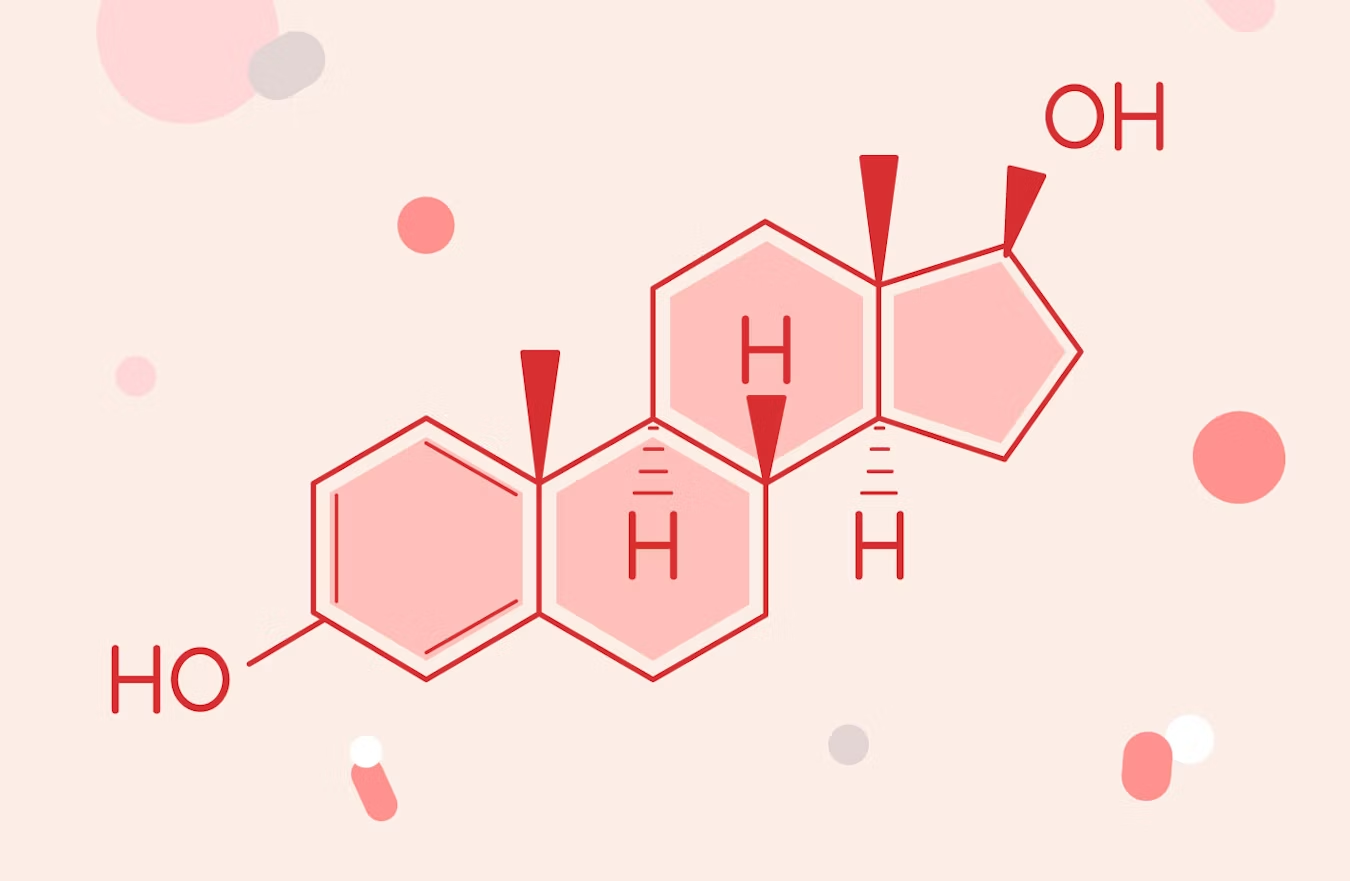
What is estrogen?
Estrogen is a sex hormone whose levels fluctuate depending on one’s stage of the menstrual cycle. There are three forms of estrogen: estrone, which is the main form that one’s body makes after menopause; estradiol, which is the strongest form of estrogen and the type that one’s body makes during their reproductive years; and estriol, the primary form of estrogen within the body during pregnancy.
Just like any other hormone, the function of estrogen is to send chemical signals throughout the body. Its specific role is to prompt important reproductive processes, affecting both sexual and reproductive health.
What aspects of female reproductive health does estrogen affect?
The first key role of estrogen is to initiate puberty: during puberty, estrogen levels rise, which signal the development of secondary sex characteristics such as breasts and general body composition.
This also triggers the start of a woman’s menstrual cycle, as estrogen is one of the main hormones that plays a crucial part during the ovulation portion of this cycle. It helps signal the ovaries to release an egg and also thickens the uterine lining, preparing for pregnancy. Additionally, estrogen levels peak right before ovulation, which is when a woman is most fertile. Such high levels allow a woman to become pregnant much more easily.
Later in life, estrogen levels drop during perimenopause. Menopause begins after a woman has not had her period for 12 months. The drop in estrogen stops ovulation and, therefore, starts menopause. This can lead to symptoms like mood swings, hot flashes, and vaginal dryness.
What are the non-reproductive health-related functions of estrogen?
Estrogen is also extremely important for bone health. It directly affects the structure and function of one’s musculoskeletal system, including the health of tissues, ligaments, and tendons. It regulates bone metabolism, which is why women are at an increased risk for bone loss after their estrogen levels have dropped due to menopause.
It also plays a role in muscle metabolism, enabling muscle fibers to self-renew. Low levels of bodily estrogen, specifically estradiol, can lead to reduced skeletal muscle mass and the ability to generate force.
Estrogen also increases the collagen content of connective tissues, ensuring joint flexibility and providing structure and strength to ligaments, tendons, and muscles.
Additionally, estrogen protects the heart by keeping cardiac tissue healthy and one’s blood pressure stable.
It is also essential for brain function: estrogen increases blood flow to the brain, helps skills like memory, and protects against inflammation.
Lastly, low estrogen levels can lead to mood swings, irritability, or symptoms of depression, as it is essential for maintaining regular levels of serotonin.
Sources:
Estrogen – Physiopedia, http://www.physio-pedia.com/Estrogen. Accessed 2 Nov. 2025.
“Estrogen: What It Does and 5 Benefits.” Cleveland Clinic, Cleveland Clinic, 5 Jan. 2022, health.clevelandclinic.org/what-does-estrogen-do.
professional, Cleveland Clinic medical. “Estrogen: Hormone, Function, Levels & Imbalances.” Cleveland Clinic, 4 Apr. 2025, my.clevelandclinic.org/health/body/22353-estrogen.
Written by Jennifer GrayJennifer GrayJennifer Gray is an award-winning writer with more than five years’ experience covering reproductive topics ranging from birth control to planning pregnancy. She is passionate about providing women with accurate inform. “What Is Estrogen?: What Is Estrogen Dominance?” Natural Cycles, 11 Sept. 2025, http://www.naturalcycles.com/cyclematters/what-is-estrogen.
Feel free to type any comments, questions, or content ideas into the feedback box!
Don’t forget to subscribe below and follow up on Instagram @fertilityfocus5
 Fertility Focus