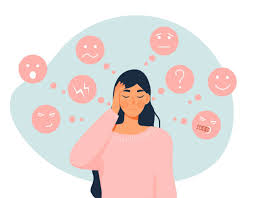
PMS, or premenstrual syndrome, is a combination of symptoms that occur before the beginning of one’s period. Side effects include tender breasts, mood changes, fatigue, irritability, food cravings, headache, bloating, and acne flare-ups.
While numerous women report experiencing symptoms of PMS, there are still several misconceptions about this syndrome. Read on to discover what beliefs are myths and what information is fact!
Myth #1: PMS Is Not Real
Although some people doubt the existence of PMS or believe that it is not that big of a deal, around 20% to 40% of women experience this syndrome, and its effects can impact the everyday lives of those who suffer from extreme symptoms.
Myth #2: PMS Is Caused By “Hormonal Imbalances”
There is currently no singular known cause of PMS; however, that does not mean that it is a sign that something is wrong in a woman’s body.
Hormones in women are cyclical, with levels of estrogen and progesterone increasing or decreasing depending on the phase of one’s menstrual cycle. Typically, PMS symptoms occur when both of these hormones are lowered in level within a woman’s body. These fluctuations can then interact with chemicals in the brain, causing premenstrual syndrome symptoms to occur.
Chemical changes within the brain also occur throughout a woman’s menstrual cycle. Serotonin levels, a neurotransmitter that plays a major role in mood, fluctuate as well, which can contribute to dips in mood, food cravings, and fatigue before the start of one’s period.
Myth #3: Natural Therapies Cannot Alleviate PMS Symptoms
Several vitamins and minerals have been shown to help reduce premenstrual syndrome symptoms.
Vitamin B6 is highly important for the production of healthy brain chemicals, and taking this supplement in safe dosages can help reduce the negative mood impacts of PMS. Additionally, another mineral that can alleviate some of the mood-related symptoms of PMS, such as anxiety and depression, is calcium.
Another option is the herbal medicine Vitex, which is one of the best-researched natural remedies for alleviating symptoms of PMS. However, this cannot be taken at the same time as oral contraceptives and is not suitable for all women, so it is important to talk to a health professional about filling a possible prescription.
On top of this, general lifestyle changes can also help to reduce symptoms. Eating a diet that includes whole grains, legumes, fruits, healthy fats, and leafy greens can aid in alleviating some pain, as well as engaging in some form of exercise daily.
Myth #4: Every Person With a Uterus Experiences PMS
Another myth about premenstrual syndrome is that any person who menstruates has this condition. This misconception often stems from the belief that just experiencing one PMS symptom before one’s period automatically indicates that they have PMS. In reality, PMS is a medical diagnosis that refers to when a woman experiences one or more of its symptoms, including both physical and emotional ones. These symptoms are medically considered PMS when they have a major impact on a woman’s life.
Plus, the United States Department of Women’s Health estimates that approximately 3 in 4 women experience PMS at one point in their lives. This therefore indicates that for every 4 women, 1 does not have PMS symptoms.
Myth #5: PMS Is Worse When Someone Is Younger
The severity of someone’s symptoms can differ depending on each month, and changes can often actually become more noticeable as a woman gets older.
In a woman’s 20s, PMS symptoms may feel worse as she is in her reproductive years and her body is experiencing even more drastic hormone fluctuations. As she enters her late 30s, the severity of these symptoms may partially subside. Plus, pregnancy during these years can also affect PMS, as being without a period means that premenstrual syndrome cannot occur.
Later on, as a woman begins to enter perimenopause, PMS symptoms may return and be even worse than before.
Overall, symptoms vary from person to person, and the severity at which a woman experiences symptoms may fluctuate during different parts of her life than someone else.
Ultimately, there are a multitude of other misconceptions that exist about PMS. It is extremely important to prevent these myths from continuing to exist. The suffering of women who experience PMS is perfectly valid, and we should work to reduce the stigma surrounding talking about menstrual cycles in general so that a greater number of people do not feel ashamed for being affected by very real, painful symptoms.
Sources:
“Dragana991.” iStock, http://www.istockphoto.com/search/2/image-film?phrase=pms. Accessed 29 July 2025.
“Myth Busting PMS.” Bridgercare, Bridgercare, 10 Feb. 2023, http://www.bridgercare.org/blog/myth-busting-pms-editionnbsp.
“PMS before Your Period.” Cleveland Clinic, 18 July 2025, my.clevelandclinic.org/health/diseases/24288-pms-premenstrual-syndrome.
“PMS Myths: Disproving Common Misconceptions.” Knowell, http://www.knowell.com/blogs/news/pms-myths?srsltid=AfmBOopTlJ__S3aLTxFeQ4RNdiQKUWF_Ibi2vCoqS-KmX4W0sVKFVokC. Accessed 29 July 2025.
“PMS: Fact versus Fiction.” Jean Hailes, http://www.jeanhailes.org.au/news/pms-premenstrual-syndrome-fact-versus-fiction. Accessed 29 July 2025.
“Premenstrual Syndrome (PMS).” Mayo Clinic, Mayo Foundation for Medical Education and Research, http://www.mayoclinic.org/diseases-conditions/premenstrual-syndrome/symptoms-causes/syc-20376780. Accessed 29 July 2025.
Feel free to use the feedback button to type in any questions, comments, or content ideas!
Don’t forget to subscribe below and follow us on social media @fertilityfocus5
 Fertility Focus