
Background Information
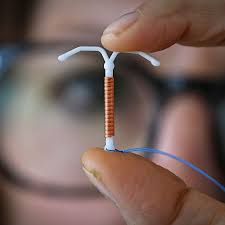
IUDs – short for intrauterine devices- are used as a form of birth control. They are tiny, T-shaped plastic devices that work to prevent sperm from reaching and fertilizing an egg.
There are two types of IUDs:
- Copper-Releasing IUDs (Non-Hormonal Option)
As signified by its name, this type of IUD releases copper ions which are toxic to sperm. Copper-releasing IUDs start to work as soon as they are inserted and can last for as long as ten years. They also can be utilized as an emergency form of contraception, with their T shape preventing any sperm from reaching unfertilized eggs.
- Progestin-releasing IUDs (Hormonal Option)
Unlike Copper-Releasing IUDS, Progestin-Releasing ones take up to seven days to begin working. These release the hormone progestin, which is a common ingredient in many birth control pills as it prevents the ovaries from being able to release unfertilized eggs. Additionally, this type of IUD thins the uterine lining, making it more difficult for an egg to attach. Simultaneously, it makes it more challenging for the sperm to enter the uterus by thickening the mucus around the cervix. They also have a T shape which keeps the sperm incapable of reaching any eggs.
Progestin-releasing IUDs have been approved by the FDA to stay in the uterus for approximately three to seven years, depending on the brand.
Pros Vs Cons of IUDs
Pros:
- IUDs are 99% effective at preventing contraception.
- They are only implanted once as opposed to taking the birth control pill every day.
- Since IUDs last so long, they can be a cheaper option for contraception in the long run.
- Almost immediately after the removal of her IUD, a female can become fertile again.
- Hormonal IUDs can also help to reduce the heaviness of periods as well as alleviate painful cramps while shortening the length of bleeding overall.
Cons:
- IUDs cannot stop the spread of Sexually Transmitted Diseases – other forms of protection must be utilized to prevent the transmission of such diseases.
- IUDs can only be implanted or withdrawn through the aid of a medical professional.
- Both Copper and Progestin-Releasing IUDs can have negative side effects: Copper-Releasing IUDs can cause longer and heavier periods, spotting between periods, and worsen cramps.
- Within the first few months of having a Progestin-Releasing IUD, spotting and irregular periods can occur.
- Some can experience significant pain upon the insertion of IUDs
Sources:
Cleveland Clinic. (2025, January 24). Iud Pros and cons to consider. https://health.clevelandclinic.org/do-the-benefits-of-iuds-outweigh-the-potential-side-effects
Health officials urge doctors to address I.U.D. insertion pain – the New York Times. (n.d.). https://archive.is/2024.08.07-135848/https:/www.nytimes.com/2024/08/07/health/iud-insertion-pain.html
U.S. National Library of Medicine. (n.d.). Deciding about an IUD: Medlineplus medical encyclopedia. MedlinePlus. https://medlineplus.gov/ency/patientinstructions/000774.htm
For further information or to leave a question or concern, feel free to leave a comment through the feedback button!
Don’t forget to subscribe below and follow us on social media @fertilityfocus5
 Fertility Focus