
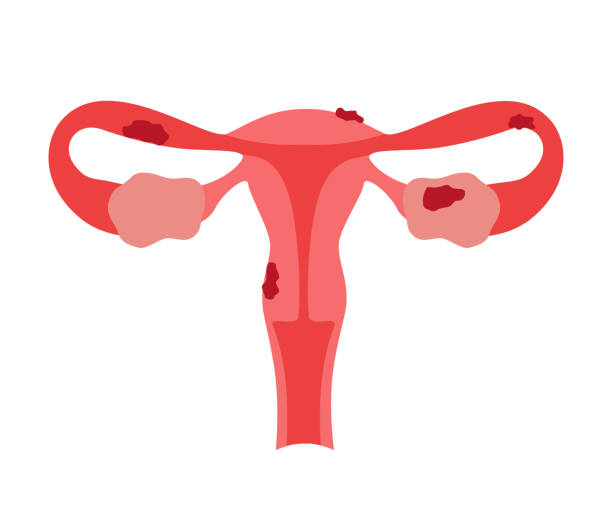
Endometriosis is a condition that occurs when tissue similar to that of the uterine lining grows outside of the uterus to places such as the ovaries and fallopian tubes. It can cause excruciating periods, pain during sexual intercourse, excessive bleeding, and infertility. However, some common outdated myths about endometriosis are important to dispel.
#1. The only endometriosis symptom is painful periods
While extreme pain during menstruation is a symptom of this condition, there are numerous other indicators as well. These can include pain during intercourse, bowel movements, or urination as well as abdominal bloating, excessive fatigue, and general pelvic pain. Additionally, severe cases of endometriosis even include tissue spreading towards the chest and lungs, causing pain in those areas as well.
#2. A hysterectomy and the removal of the ovaries will cure endometriosis
Although these procedures were once thought to cure endometriosis, it has now been proven that this is false. While there is no guaranteed cure for this condition, there are some steps that can be taken to control the spread of tissue and mitigate symptoms. Disease can be removed utilizing surgery and medication can also be taken to lessen symptoms or pain. The sole removal of the uterus and ovaries unfortunately is not enough to completely rid the body of this condition because endometriosis cells secrete their estrogen, meaning that they can remain even after the elimination of reproductive organs.
#3. A negative or inconclusive ultrasound means a patient does not have endometriosis
Since there are several types of endometriosis, not all forms can be caught through an ultrasound. The three general forms of this condition are superficial endometriosis, endometriosis of the ovary or endometriomas, and deep infiltrating endometriosis. When endometriosis is thick, it can grow deep within the structure of the body, meaning that depending on the quality of the ultrasound, it may not appear during the examination. Superficial endometriosis is characterized by its small size and the fact that it grows on the lining of bodily structures, meaning that there is no way to catch it on an ultrasound or other imaging exam.
#4. Endometriosis only affects the pelvic area
Although endometriosis most commonly occurs within the pelvic region, tissue can also spread to other parts of the body. This commonly can include places such as the bladder, the outer surface of the uterus, and the fallopian tubes. However, tissue can spread to any part of the body if severe.
Sources:
Bilodeau, Kelly. “5 Myths about Endometriosis.” Harvard Health, 12 Feb. 2021, http://www.health.harvard.edu/blog/5-myths-about-endometriosis-2021021221890.
“Endometriosis Myths Debunked.” Endometriosis Myths Debunked: Women’s Healthcare of Princeton: Gynecologists, http://www.princetongyn.com/blog/endometriosis-myths-debunked. Accessed 9 Mar. 2025.
“Endometriosis.” Mayo Clinic, Mayo Foundation for Medical Education and Research, 30 Aug. 2024, http://www.mayoclinic.org/diseases-conditions/endometriosis/symptoms-causes/syc-20354656.
“Surgery Endometriosis Stock Illustrations.” iStock, http://www.istockphoto.com/illustrations/surgery-endometriosis. Accessed 9 Mar. 2025.
For any questions or content suggestions, feel free to reach out using the feedback or contact buttons! Don’t forget to subscribe to receive updates on the latest posts and follow us on social media!
 Fertility Focus