
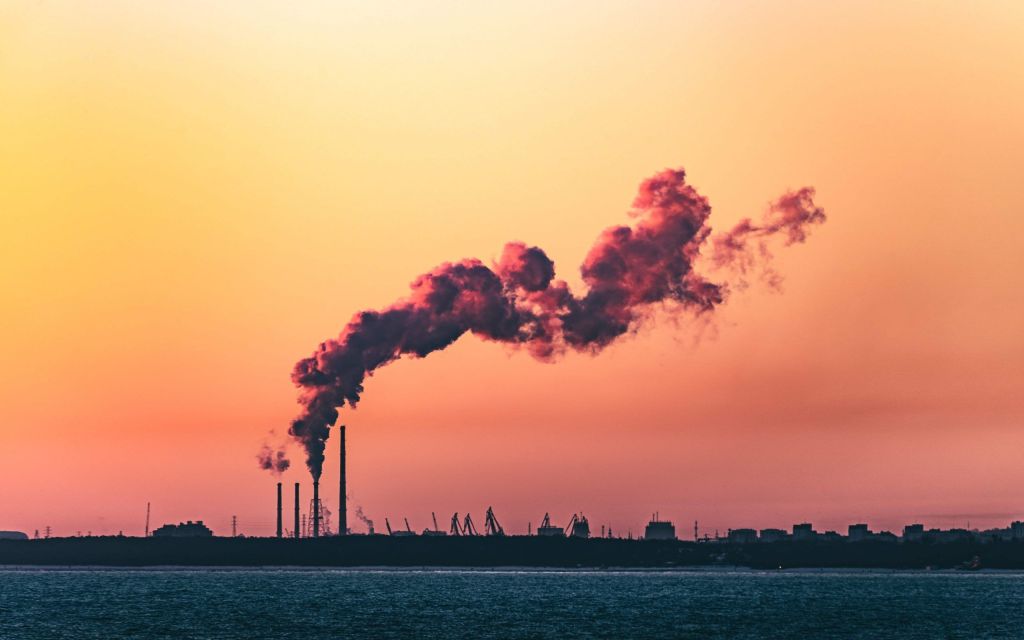
As infertility rates have been rising globally, it is of high importance to observe the environmental factors that could be impacting a couple’s ability to conceive that are out of their control. About 66 million tons of toxic chemicals were emitted into the atmosphere in 2023 by just the United States alone. Read on to learn how studies have revealed the link between the growing levels of pollutants and fertility.
One study done in China looked into the harmful air particles that increase the risk of inflammation in the body. Higher levels of inflammation harm both sperm production and can damage a woman’s eggs. Confirming the negative consequences of such chemicals, of the 18,000 couples who partook in the study, those who lived in areas with moderate to high quantities of these toxins had a 20% higher risk of the inability to conceive during a one year time period.
A study done on 600 women within the United States saw similar results. All of these individuals were attending a particular infertility clinic. Those with the lowest number of maturing eggs in their ovaries also had the greatest exposure to harmful air pollutants.
To add, fertility itself is not the sole aspect of the reproductive system that is harmed by atmospheric toxins. Premature birth and low birth rate have also been proven to correlate with unclean air. Concerning evidence confirms additional negative affects of pollution on child-bearing females as toxic particles have been found on the fetus side of placentas. Moreover, although smoking is known to raise levels of infertility and is avoidable, it has been found that nitrogen dioxide, a harmful chemical thats atmospheric levels has been rising, raises the chance for miscarriage just as much as cigarettes can.
Plus, air pollution in the form of vehicular exhaust has also been found to harm fertility. Men who reside in industrial regions compared to more rural environments have shown a reduction in sperm movement and structure. Additionally, compared to those who live in places with less automotive fumes, the men from urban areas have displayed greater numbers of sperm with abnormal chromatin, or structure of DNA.
Overall, the impact of atmospheric toxins on fertility is still highly under researched despite the alarming increase in both infertility and global pollution. These factors are out of the control of many females who may otherwise be in incredible health or take the correct measures to raise their chances of conception. For this reason, it is of great importance to continue to research such topics and spread awareness about them as well as the majority of women enduring the painful struggle with infertility may not be aware of the environmental elements harming their reproductive system.
Citations
“Air Pollution Significantly Raises Risk of Infertility, Study Finds.” The Guardian, Guardian News and Media, 17 Feb. 2021, http://www.theguardian.com/environment/2021/feb/17/air-pollution-significantly-raises-risk-of-infertility-study-finds.
“Air Pollution: A Forgotten Funding Issue.” Clean Air Fund, 17 May 2022, http://www.cleanairfund.org/news-item/air-pollution-a-forgotten-funding-issue/.
EPA, Environmental Protection Agency, http://www.epa.gov/air-trends/air-quality-national-summary. Accessed 12 Jan. 2025.
Pizzorno, Joseph. “Environmental Toxins and Infertility.” Integrative Medicine (Encinitas, Calif.), U.S. National Library of Medicine, Apr. 2018, pmc.ncbi.nlm.nih.gov/articles/PMC6396757/.
 Fertility Focus