

Around 10 to 15% of couples experience issues due to infertility. However, while individuals of all ages make decisions that impact their overall wellbeing, we often think of our choices as positively or negatively affecting things like life span or preventing disease. Rarely do we think of a healthy lifestyle and its correspondence with fertility. While other more environmental factors also can yield negative consequences, a person’s lifestyle is almost entirely under their control and is one aspect that can be changed to aid in reproduction. Read more to find out how your choices may be influencing your ability to conceive.
Diet
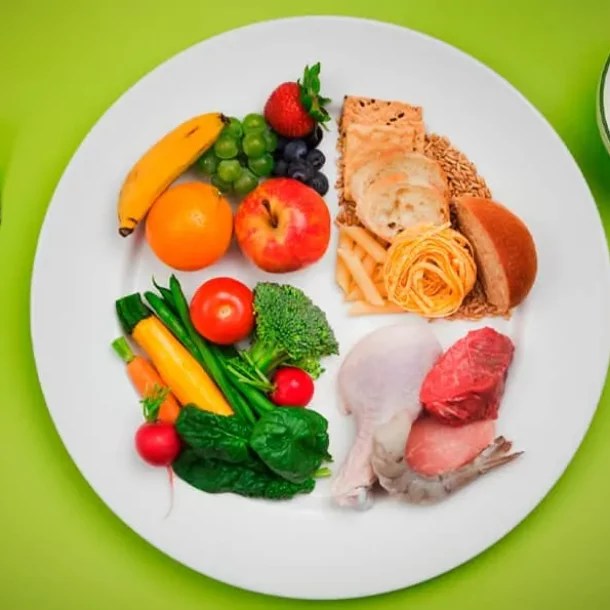
Despite eating healthily to support overall wellbeing, the consumption of certain minerals and nutrients directly benefits one’s fertility.
For those with male reproductive organs, carbohydrates, fruits, vegetables, and other fiber-rich foods help to improve semen quality.
Individuals with female reproductive organs should strive to eat a balanced diet as her food intake correlates with not just overall fertility, but also ovulation. One study found that replacing carbohydrates with animal protein in a person’s diet increased the chances of ovulatory infertility by 32%. Additionally, the consumption of multivitamins also greatly impacts fertility: another study found that women who take six or more different vitamins were at the lowest risk of infertility. Overall, it has been found that typically, women exhibiting the least probability of infertility eat a diet prioritizing vegetable over animal protein, consume high-fat dairy as opposed to lower fat options, and ensure that they take in enough iron as well as other nutrients.
Weight

Along with the other health risks associated with obesity, it can also have negative impacts on one’s capability to reproduce.
Specifically, a person’s Body Mass Index – a calculation used to estimate the amount of body fat someone has – can have implications on their fertility. Even if a male’s BMI increases by just three units, this change can influence infertility. On top of this, poor semen quality is three times as likely to be exhibited by obese men than those of a healthy weight. Overweight men more commonly have poorer quality sperm with a lower motility ability. The DNA contained in their sperm may also be impaired.
Women who struggle with obesity may also face challenges during their pregnancies. It is estimated that around 10.7% of females of a healthy weight experience miscarriages which is lower than the 13.6% of obese women who reported having one.
However, being underweight can also yield consequences on fertility.
In those with male reproductive organs, individuals with a low BMI tend to have sperm of lower concentration per sample than those with a normal BMI.
In females, being underweight or possessing low concentrations of body fat significantly increase the risk of not only infertility, but ovarian dysfunction as well. Ovarian dysfunction occurs when someone’s ovaries stop working before the age of forty and their body does not produce the typical amount of estrogen that it should. To add, women who struggle with types of eating disorders that result in a low BMI often also experience irregular periods, a higher risk of pre-term birth, and problems with maternal or fetal well-being.
Exercise

Higher levels of physical activity have shown to positively benefit the ability of both male and females to reproduce.
In men, those who exercises at least three times a week for an hour or more have shown to have higher quality sperm in almost all categories than those who participate in acts of extreme athleticism.
Likewise, females who undergo excessive exercise may see a greater risk of infertility as energy needs overrule dietary intake, depleting an individual of her nutrients and thus harming her reproductive capabilities. One study found that women who engaged in over four hours of cardiovascular activity per week even one year prior to undergoing In vitro fertilization treatment saw a 40% decrease in live birth rate.
Cigarette use

Cigarette smoke contains approximately 4,000 toxic chemicals, known to yield a variety of health problems, most notably those associated with cardiovascular disease. These toxins unsurprisingly also harm fertility rates.
In males, those who smoke tend to possess a decrease in sperm quality. This includes sperm of lower motility ability, a fewer number per sample, those of abnormal shape, and a lesser fertilization ability.
For females, 95% of smokers were at risk of infertility versus nonsmokers. Harmful chemicals from cigarettes hurt a woman’s ovarian function. Additionally, the most significant affect of smoking has been seen to be on a female’s total egg count. As this ovarian reserve is a set number from birth, a reduction in this number cannot be reversed.
Summary
Although numerous factors harming a person’s reproductive system may be out of their control, there are several ways to improve one’s lifestyle in order to increase their chances of conception.
Citations/further reading:
“3,075 Cigarette Cartoon Clip Art Royalty-Free Photos and Stock Images.” Shutterstock, http://www.shutterstock.com/search/cigarette-cartoon-clip-art. Accessed 6 Jan. 2025.
“Bathroom Scale Stock Illustrations.” iStock, http://www.istockphoto.com/illustrations/bathroom-scale. Accessed 6 Jan. 2025.
Drabu, Sabah. “The Path to a Healthier You: Building a Balanced Diet.” CookinGenie, CookinGenie, 25 Apr. 2024, cookingenie.com/content/blog/the-path-to-a-healthier-you-building-a-balanced-diet/.
Exercise Clipart Images – Free Download on Freepik, http://www.freepik.com/free-photos-vectors/exercise-clipart. Accessed 6 Jan. 2025.
“Primary Ovarian Insufficiency.” Mayo Clinic, Mayo Foundation for Medical Education and Research, 20 Oct. 2023, http://www.mayoclinic.org/diseases-conditions/premature-ovarian-failure/symptoms-causes/syc-20354683#:~:text=Overview,condition%20often%20leads%20to%20infertility.
professional, Cleveland Clinic medical. “BMI (Body Mass Index): What It Is & How to Calculate.” Cleveland Clinic, 28 Oct. 2024, my.clevelandclinic.org/health/articles/9464-body-mass-index-bmi.
Sharma, Rakesh, et al. “Lifestyle Factors and Reproductive Health: Taking Control of Your Fertility.” Reproductive Biology and Endocrinology : RB&E, U.S. National Library of Medicine, 16 July 2013, pmc.ncbi.nlm.nih.gov/articles/PMC3717046/.
TW;, Wallace WH;Kelsey. “Human Ovarian Reserve from Conception to the Menopause.” PloS One, U.S. National Library of Medicine, pubmed.ncbi.nlm.nih.gov/20111701/. Accessed 6 Jan. 2025.
 Fertility Focus