Step 1: Puberty
When a child undergoes puberty, they reach sexual maturity. Individuals with female reproductive organisms typically experience puberty between the ages of 8 and 13 while those with male reproductive organisms usually undergo this process from the ages of 10 to 15.
However, puberty looks different between the two sexes. Males experience a rise in their testosterone levels, causing physical changes to their body. While a woman’s body also starts to develop, this advancement is a result of increasing amounts of progesterone and estrogen. Additionally, girls will start their menstrual cycle at some point during puberty.
Step 2: Menstruation Cycle Overview
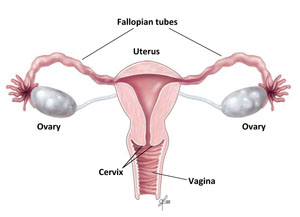
A typical menstruation cycle lasts between 24 and 38 days. This refers to a woman’s monthly shedding of her uterine lining and consists of the days between the first day of one period to the next. It consists of four phases: menstruation, the follicular phase, ovulation, and the luteal phase. During the menstruation phase, hormones cause an individual’s uterine lining to thicken as to prepare it for the implantation of an egg, if fertilization were to occur. Additionally, hormones cause an egg to be released from the ovaries into the fallopian tubes where it waits to come into contact with a sperm. However, if no sperm meet the egg to fertilize it, pregnancy does not occur, causing the uterus to shed its lining. This results in the excretion of blood and tissue that a female encounters during her period.
Step 3: Knowing When You Are Fertile (Generally)
Typically, a female’s fertile window occurs five days leading up to the ovulation phase of the menstrual cycle as well as the day of ovulation and the day after ovulation. Women usually ovulate around 12 to 14 days before they have their period or start a new menstruation cycle. Additionally, those with female reproductive organs experience peak levels of fertility during their late 20s and early 30s.
To add, the quality of one’s egg is a highly important factor in her ability to conceive as they have the best capability of attaching to the uterine lining.
In individuals with male reproductive organisms, a semen sample with a high quantity of healthy sperm is the primary indicator of fertility. Healthy sperm are able to swim to meet the egg properly, have a “normal” shape, and contain unimpaired DNA.
Step 4: Fertility Awareness
Practicing fertility awareness means taking action to track one’s menstrual cycle in order to prevent or become impregnated.
There are multiple kinds of methods in order to put this concept into practice and help an individual keep track of signs of fertility. These are used to help someone keep track of when they are ovulating.
The first method is The Temperature Method which is where a person takes their temperature upon waking up in the morning. Your temperature goes up approximately four tenths of its typical number during ovulation. By tracking one’s temperature at the same time every day, a person can predict when they are ovulating.
A similar method is the Cervical Mucus Method where a person checks their vaginal discharge every day. An indication of ovulation would be heavier or more discharge.
A third method of fertility awareness is the Calendar Method in which an individual charts their entire menstrual cycle on a calendar. Women also commonly use online applications to do this, making it easy and accessible to know which phase of their cycle they are in.
According to Planned Parenthood, fertility awareness methods are approximately 77% to 98% effective, helping around 2-23 out of 100 heterosexual couples per year prevent conception.This probability of these strategies working increases when using multiple methods simultaneously. However, these methods are not always as effective as other forms of birth control such as condoms, IUDs, or medication.
Citations/Further Reading:
“Calculating Your Monthly Fertility Window.” Johns Hopkins Medicine, 20 June 2024, http://www.hopkinsmedicine.org/health/wellness-and-prevention/calculating-your-monthly-fertility-window#:~:text=You%20ovulate%20about%2012%20to,about%20seven%20days%20in%20total.
Fertility Awareness Methods | Natural Birth Control, http://www.plannedparenthood.org/learn/birth-control/fertility-awareness. Accessed 5 Jan. 2025.
professional, Cleveland Clinic medical. “Menstrual Cycle (Normal Menstruation): Overview & Phases.” Cleveland Clinic, 9 Sept. 2024, my.clevelandclinic.org/health/articles/10132-menstrual-cycle.
“Understanding Fertility: The Basics.” HHS Office of Population Affairs, opa.hhs.gov/reproductive-health/understanding-fertility-basics. Accessed 5 Jan. 2025.
“Understanding the Basics of Fertility: A Guide: Aspire HFI Blog.” Aspire HFI, Aspire Houston Fertility Institute, 22 Aug. 2023, http://www.aspirehfi.com/blog/understanding-the-basics-of-fertility-a-guide.
What Is the Cervical Mucus Method? | Cycle, Stages & Chart, http://www.plannedparenthood.org/learn/birth-control/fertility-awareness/whats-cervical-mucus-method-fams. Accessed 5 Jan. 2025.
What Is the Temperature Method? | Basal Body Temperature, http://www.plannedparenthood.org/learn/birth-control/fertility-awareness/whats-temperature-method-fams. Accessed 5 Jan. 2025.
 Fertility Focus